

Experienced Truck Accident Lawyers in Northridge, CA
Commercial trucks traveling through Northridge pose significant dangers to everyone sharing local roadways and freeways. These massive vehicles weighing up to 80,000 pounds create catastrophic consequences when collisions occur with passenger vehicles. The 118 Freeway serves as a major truck route connecting the San Fernando Valley to Ventura County, bringing constant heavy vehicle traffic through the community. When truck driver negligence or company violations cause accidents, victims deserve aggressive legal representation to secure the compensation needed for recovery. Noravian Law Firm’s attorneys bring specialized experience handling these complex cases throughout California.
The unique challenges of truck accident litigation separate these cases from typical traffic collisions. Multiple potentially liable parties, federal regulations, corporate defendants, and severe injuries all require specific legal knowledge and resources. Our legal team understands the investigation techniques necessary to uncover violations and build compelling liability cases against trucking companies that prioritize profits over safety.
Northridge’s Heavy Commercial Vehicle Traffic
Understanding local truck routes and traffic patterns helps explain why accidents happen in specific areas. Northridge’s strategic location means significant commercial vehicle presence throughout the community. These traffic patterns create predictable danger zones where accidents occur with troubling frequency.
The 118 Freeway corridor carries substantial truck traffic between distribution centers in the San Fernando Valley and destinations throughout Southern California. Commercial vehicles use this route to access the 405 and 5 freeways for longer hauls. The interchange areas see particularly heavy truck concentrations during peak shipping hours. Merge zones where trucks enter and exit create dangerous situations as massive vehicles change lanes across multiple traffic streams.
Reseda Boulevard serves commercial districts with delivery trucks making frequent stops. Large vehicles maneuvering through areas designed for passenger cars create hazards for other drivers. Trucks blocking lanes while loading or unloading force traffic into adjacent lanes without adequate visibility. The combination of through traffic and commercial vehicle operations creates accident scenarios unique to mixed-use corridors.
Industrial areas near the Metrolink station attract trucks serving warehouses and manufacturing facilities. These zones see increased truck activity during business hours as shipments arrive and depart. Residential streets adjacent to industrial zones experience truck traffic that wasn’t anticipated in their original design. The mismatch between road capacity and vehicle size contributes to accidents, similar to hazards that cause motorcycle accidents when roads fail to accommodate different vehicle types safely.
Nordhoff Street’s connection to major north-south routes makes it a preferred truck route. Commercial vehicles traveling between the 405 and 118 freeways often use this corridor. The proximity to California State University, Northridge means mixing heavy trucks with student pedestrians and inexperienced drivers. This dangerous combination requires extra caution that truck drivers sometimes fail to exercise.
Why Truck Collisions Cause Severe Harm
The physics of truck accidents explain why injuries and fatalities occur at disproportionate rates compared to other collision types. Understanding these dynamics helps establish the full extent of damages you can claim. Size disparities create inherently dangerous situations when trucks collide with passenger vehicles.
Weight differences mean trucks carry tremendous momentum that passenger vehicles cannot withstand. A fully loaded commercial truck may weigh 20 times more than a typical car. When these massive vehicles strike smaller cars, the force differential crushes passenger compartments. Occupants of smaller vehicles absorb impact forces their bodies cannot survive or withstand without catastrophic injuries.
Stopping distances required for trucks far exceed passenger vehicle requirements. At highway speeds, loaded trucks need football-field lengths to stop completely. Drivers following too closely or operating while fatigued cannot stop in time to avoid collisions. These preventable accidents demonstrate negligence when truck operators fail to account for their vehicles’ limitations.
Jackknife scenarios occur when trailers swing out from tractor units during braking or turning. The swinging trailer sweeps across multiple lanes, striking everything in its path. Vehicles trapped between jackknifing trailers and barriers face unsurvivable impacts. Driver error, brake failures, and improper loading all contribute to these devastating multi-vehicle accidents.
Underride collisions happen when passenger vehicles slide beneath truck trailers during rear-end or side impacts. Inadequate underride guards fail to prevent cars from sliding underneath, shearing off vehicle roofs at window level. Occupants suffer catastrophic head and neck injuries in these horrific crashes. Federal safety standards for underride guards remain inadequate despite known dangers.
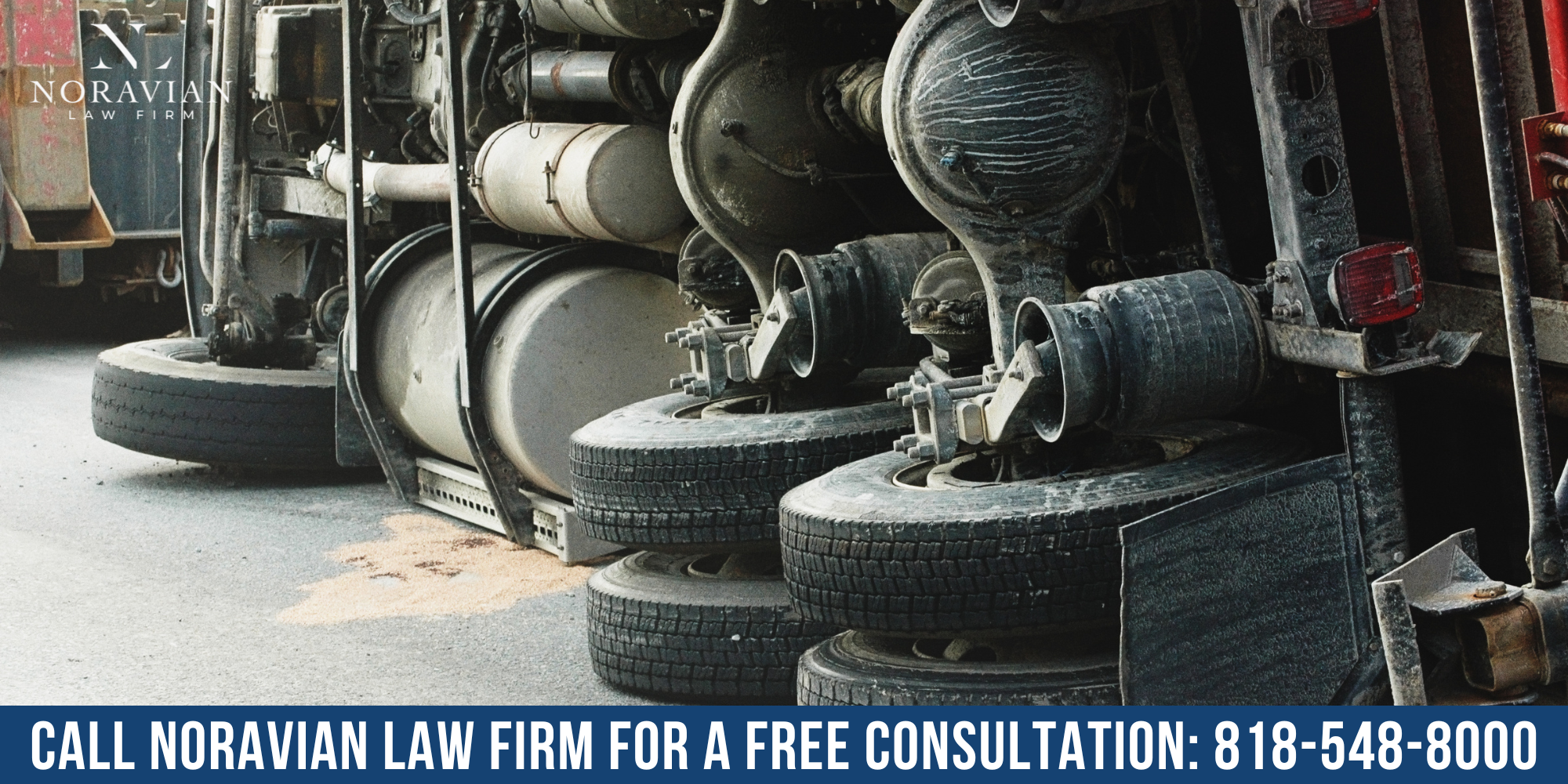
Rollover accidents involving trucks create massive hazards as trailers flip onto adjacent vehicles or across multiple lanes. Improper loading, excessive speeds in curves, and driver errors all cause truck rollovers. Vehicles crushed beneath rolling trucks face total destruction. Spilled cargo and fuel from ruptured tanks create secondary hazards and fire risks, similar to dangers in burn injury cases involving vehicle fires.
Federal and State Trucking Regulations
Commercial trucking faces extensive regulation at both federal and state levels. These rules exist specifically to prevent foreseeable accidents through safety requirements. Violations of these regulations strengthen liability cases and demonstrate negligence when accidents occur.
Hours of service limitations restrict how long truck drivers can operate before mandatory rest periods. Federal Motor Carrier Safety Regulations establish maximum daily and weekly driving hours. Electronic logging devices track compliance, preventing drivers from falsifying paper logbooks. Companies that pressure drivers to exceed these limits or allow violations create direct liability when fatigued drivers cause crashes.
Weight restrictions protect roads and ensure vehicle stability on California highways. The state enforces strict gross vehicle weight limits and axle load distribution requirements. Weigh stations check compliance, though many trucks bypass these checkpoints. Overweight trucks become difficult to control and cause more severe damage during accidents. Weight violations demonstrate willful safety disregard by trucking companies.
Maintenance standards require regular inspections and repairs of commercial vehicles. Brake systems, tires, lights, and coupling devices must meet specific safety criteria. Companies must maintain detailed maintenance records documenting compliance. Accidents caused by brake failures or tire blowouts often trace back to deferred maintenance, creating company liability beyond just driver negligence.
Drug and alcohol testing programs mandate screening for commercial drivers. Pre-employment testing, random testing, and post-accident testing all aim to keep impaired drivers off roads. Companies that fail to implement proper testing programs face liability when impaired drivers cause crashes. Zero tolerance policies should prevent any driver with positive tests from operating commercial vehicles.
Cargo securement rules establish how freight must be loaded and secured during transport. Improperly secured cargo can shift during transit, affecting vehicle stability. Falling cargo strikes other vehicles, causing serious accidents. Loading companies and trucking firms share responsibility for ensuring proper securement, similar to how multiple parties may share liability in complex Uber accident cases involving rideshare companies and drivers.
Identifying All Responsible Parties
Truck accident cases often involve multiple defendants beyond just drivers. Thorough investigation uncovers all parties whose negligence contributed to your injuries. Pursuing every liable party maximizes available compensation from all insurance policies and assets.
Truck drivers bear primary responsibility when their negligent operation causes collisions. Speeding, distracted driving, and traffic violations all establish driver liability. Individual drivers can be sued personally for their negligent acts. However, driver assets typically provide limited recovery compared to corporate defendants and their insurance coverage.
Trucking companies face vicarious liability for employee driver negligence under respondeat superior principles. Companies also face direct liability for negligent hiring, inadequate training, and pressuring drivers to violate safety rules. Corporate negligence often provides the most substantial compensation source. We investigate company practices thoroughly to establish all grounds for corporate liability.
Cargo loading companies may share responsibility when improper loading causes accidents. Overloading trailers beyond weight limits affects braking and handling. Unbalanced loads cause vehicles to tip during turns. Loading companies owe independent duties to ensure proper weight distribution and securement. Their failures create liability separate from trucking company negligence.
Maintenance contractors who service commercial vehicles face liability when inadequate repairs cause mechanical failures. Brake service providers, tire companies, and repair facilities all owe duties to perform work competently. We investigate maintenance records and may sue service providers whose substandard work contributed to accidents.
Truck and parts manufacturers bear strict product liability when defective components cause accidents. Brake system failures, tire defects, and coupling mechanism problems all create manufacturer responsibility. These product liability claims don’t require proving negligence, only that defects existed and caused harm. Manufacturing defects often affect entire vehicle fleets, potentially supporting class action approaches.
Leasing companies that own trucks operated by other firms may face liability depending on contractual arrangements. Some lease agreements assign maintenance responsibilities to lessors. Investigation of leasing contracts reveals whether leasing companies share fault for accidents. Multiple insurance policies from various defendants create complex coverage issues requiring experienced legal navigation, similar to insurance complications in pedestrian accident cases involving multiple vehicles.
Proving Your Truck Accident Case
Building successful claims requires specific evidence types unique to commercial vehicle litigation. Understanding what proof establishes liability helps you appreciate the investigation process. Our legal team knows what evidence to pursue and how to compel its production when companies resist.
Electronic logging device data provides objective records of driver hours and vehicle operations. These devices track driving time, rest periods, and speed automatically. Companies must preserve this data after accidents, and we move quickly to secure it through legal demands. ELD records often reveal hours of service violations and speeding that companies later try to conceal.
Black box event data recorders capture vehicle operations in the moments before crashes. Speed, braking, steering inputs, and system warnings all get recorded. This data proves invaluable for reconstruction and establishing fault. Federal regulations require data preservation, but we ensure companies actually comply rather than claiming data was lost or overwritten.
Maintenance and inspection records reveal whether companies performed required safety checks. Complete service histories should document all repairs and inspections. Gaps in records or deferred maintenance patterns demonstrate negligence. We subpoena these records and have experts analyze them for regulatory compliance.
Driver qualification files show whether companies properly screened and trained operators. Background checks, driving records, drug test results, and training certifications should all be documented. Inadequate screening that allows dangerous drivers to operate commercially creates company liability. Personnel files often reveal patterns of violations that companies ignored.
Driver logbooks and timesheets may reveal hours of service violations if compared against delivery schedules. Impossible delivery timeframes prove companies pressured drivers to speed or skip required rest breaks. These scheduling pressures demonstrate conscious safety disregard. We analyze shipment records against actual driving times to uncover these violations.
Accident scene evidence including truck positions, skid marks, and debris patterns helps reconstruct collision dynamics. We work with accident reconstruction experts who specialize in commercial vehicle crashes. Their analyses establish how accidents occurred and who bears fault. Expert testimony proves essential in complex truck accident litigation, similar to expert needs in bicycle accident cases involving vehicle-bike dynamics.
Maximizing Your Compensation Recovery
Truck accident victims often face catastrophic injuries warranting substantial compensation. Understanding all damage categories ensures you don’t settle for inadequate amounts. These cases justify some of the highest settlements and verdicts in personal injury law.
Medical expenses for truck accident injuries often reach hundreds of thousands or millions of dollars. Initial emergency treatment, extended hospitalizations, multiple surgeries, and long-term rehabilitation all generate enormous bills. Future medical costs must be projected when injuries require lifetime care. We work with life care planners and medical economists to calculate comprehensive medical needs.
Lost income during recovery can devastate families financially. Serious injuries prevent working for months or years while treatment continues. We document all lost wages including overtime, bonuses, and benefits. Self-employed victims can recover lost business income through proper financial documentation and expert testimony.
Permanent disability compensation addresses reduced future earning capacity. Many truck accident victims cannot return to previous physically demanding occupations. Vocational experts evaluate transferable skills and employment prospects given injury limitations. Reduced lifetime earnings often constitute the largest damage component in catastrophic injury cases.
Pain and suffering damages compensate for physical discomfort and emotional trauma. The severity and duration of injuries both factor into these valuations. Permanent injuries warrant higher pain and suffering awards than temporary conditions. We present compelling evidence of daily struggles and life changes that injuries cause.
Loss of enjoyment damages recognize inability to participate in previously enjoyed activities. Hobbies, sports, travel, and social activities may no longer be possible. These lifestyle losses deserve compensation beyond pure economic damages. We document specific activities you can no longer pursue due to injuries.
Wrongful death damages compensate families when truck accidents prove fatal. Surviving spouses and children can recover for loss of financial support and companionship. Funeral expenses and estate losses also qualify. These tragic cases require compassionate yet aggressive representation to secure justice for grieving families.
Why Choose Noravian Law Firm
Our attorneys bring specific experience handling truck accident cases throughout California. We understand both federal trucking regulations and California vehicle codes governing commercial vehicles. This specialized knowledge translates to better outcomes against well-funded corporate defendants.
We’ve recovered substantial compensation for truck accident victims through settlements and trial verdicts. Our track record includes cases against major trucking companies and their insurers. We’re not intimidated by corporate defendants who often try to overwhelm individual plaintiffs.
Our firm invests significant resources investigating truck accidents thoroughly. We retain top accident reconstruction experts, medical specialists, and economic analysts. These investments demonstrate our commitment to building irrefutable cases that maximize your compensation.
We operate on contingency fees, meaning you pay no attorney fees unless we recover compensation. This structure allows you to pursue justice without financial stress during recovery. We advance all case costs including expert fees and investigation expenses.
We prepare every case for trial while negotiating aggressively for fair settlements. Trucking companies know we’re willing to try cases when they refuse reasonable offers. This reputation motivates better settlement proposals during negotiations.
Frequently Asked Questions
What makes truck accident cases different from regular car accident claims?
Truck accident cases involve federal regulations, multiple potentially liable parties, and typically more severe injuries requiring larger compensation amounts. Commercial vehicles are subject to Federal Motor Carrier Safety Regulations governing driver qualifications, hours of service, maintenance, and cargo securement that don’t apply to passenger vehicles. Trucking companies, cargo loaders, maintenance contractors, and manufacturers may all share liability beyond just the driver, creating complex litigation requiring specialized legal knowledge and substantial resources to pursue effectively.
How do I prove the truck driver was working when my accident occurred?
Proving driver employment status requires obtaining company records including driver logs, dispatch records, and bill of lading documents showing the driver was transporting freight for compensation. Electronic logging device data and GPS records track vehicle locations and confirm drivers were engaged in commercial activities. We subpoena these records from trucking companies who often resist disclosure, and federal regulations require preservation of this evidence after accidents making it discoverable through proper legal channels during litigation.
Can I still recover compensation if the truck driver was an independent contractor?
Yes, you can still recover substantial compensation even when drivers are classified as independent contractors rather than employees. Trucking companies often maintain significant control over independent contractors and may still face liability under agency principles or for their own negligence in hiring unqualified contractors. The company’s insurance typically covers accidents involving both employees and independent contractors operating under their authority. We also pursue the driver’s personal commercial insurance and investigate whether the independent contractor classification was proper under California law.
Take Action to Protect Your Rights
Truck accidents create overwhelming challenges that no one should face alone. Catastrophic injuries, mounting medical bills, and lost income threaten your family’s financial security. You deserve experienced legal advocates who understand commercial vehicle litigation and fight tirelessly for maximum compensation.
Time limitations affect your ability to pursue claims. California’s statute of limitations generally provides two years from accident dates to file lawsuits. Evidence preservation requires even quicker action as electronic data gets overwritten and witnesses’ memories fade. Consulting attorneys promptly protects your rights.
Don’t let trucking companies and their insurers minimize your injuries or shift blame unfairly. These corporations employ teams of lawyers and investigators working to reduce their liability. You need equally skilled representation fighting for your interests.
Contact us today for a free consultation about your truck accident case. We’ll review your circumstances, answer your questions, and explain your legal options. Let our experienced attorneys handle the legal complexities while you focus on healing and recovery.
This page is also available in Spanish — Abogados de Accidentes de Camión en Northridge